 Admin
AdminFood Processing Jobs Japan with Visa Sponsorship
Introduction
Japan’s food industry is one of the most advanced and carefully regulated in the world, combining cutting-edge technology with centuries-old culinary traditions. As the country faces an aging population and a shrinking domestic workforce, demand for foreign labor has increased sharply—particularly in labor-intensive sectors such as food manufacturing and processing. This shift has opened the door for thousands of foreigners seeking food processing jobs in Japan with visa sponsorship, making it one of the most accessible employment pathways for overseas workers today.
Food processing jobs in Japan with visa sponsorship offer a unique opportunity for immigrants to legally work, earn stable income, and gain international experience without requiring advanced degrees. From seafood packaging plants in Hokkaido to bento production factories in Tokyo and frozen food facilities in Osaka, employers across Japan actively recruit foreign workers under government-approved visa programs. These roles are especially attractive to entry-level applicants, career switchers, and individuals from developing countries seeking long-term employment abroad.
This article provides a comprehensive guide to food processing jobs Japan with visa sponsorship, covering job types, salaries, regions, requirements, and application steps. Whether you are exploring your first overseas job or looking to transition into Japan’s food manufacturing sector, this guide is designed to inform, persuade, and help you take confident action toward building a sustainable career in Japan.
Why Work in Food Processing Jobs in Japan?
Japan’s food processing industry is a pillar of its economy, supplying both domestic and international markets with high-quality packaged foods, seafood, meat products, and ready-to-eat meals. Working in food processing jobs in Japan with visa sponsorship offers multiple advantages that make it appealing to foreign workers.
First, the industry has consistent labor demand. Unlike seasonal jobs, food processing facilities operate year-round, ensuring stable employment and predictable income. Many factories run multiple shifts, providing opportunities for overtime pay and long-term contracts.
Second, food processing jobs in Japan are foreigner-friendly. These roles often require minimal Japanese language skills at entry level, and many employers provide on-the-job training. Visual instructions, standardized processes, and multilingual supervisors make integration easier for non-Japanese workers. Austria Nurse Jobs with Work Visa Sponsorship
Third, Japan maintains strict labor laws and workplace safety standards. Workers benefit from regulated working hours, mandatory insurance, paid leave, and legal protections. Compared to similar roles in other countries, food processing jobs in Japan offer better structure and compliance.
Finally, these jobs serve as a gateway to long-term residence. With visa sponsorship options such as the Specified Skilled Worker (SSW) visa, employees can extend contracts, change employers, and even bring family members over time. For many immigrants, food processing becomes a stepping stone to permanent settlement in Japan.
Entry-Level Food Processing Jobs Visa Sponsorship Japan
Entry-level food processing jobs in Japan with visa sponsorship are among the easiest employment routes for foreigners with limited experience or formal education. These roles are specifically designed to address labor shortages and are open to international applicants through government-approved programs.
Most entry-level positions fall under the Specified Skilled Worker (SSW) Type 1 visa, which allows foreigners to work in designated industries, including food manufacturing and processing. Applicants typically need to pass a basic skills test and, in some cases, a simple Japanese language assessment. No university degree is required, making this pathway accessible to a wide audience.
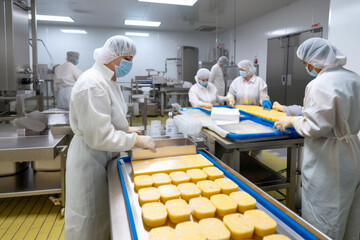
Common entry-level tasks include food packaging, ingredient preparation, machine operation assistance, cleaning and sanitation, labeling, and quality checks. Training is usually provided on site, and workers are expected to follow strict hygiene and safety procedures. Employers value reliability, attention to detail, and willingness to work shifts more than prior experience.
Visa sponsorship is handled by the employer or a registered support organization. This includes assistance with visa documentation, housing arrangements, and workplace orientation. Many companies also offer subsidized accommodation and transportation allowances, reducing the financial burden on new arrivals.
For foreigners seeking a legal, structured, and low-barrier entry into the Japanese workforce, entry-level food processing jobs Japan with visa sponsorship remain one of the most practical and sustainable options available today.
Types of Food Processing Jobs in Japan with Visa Sponsorship
Japan’s food processing sector covers a wide range of roles, allowing applicants to choose positions that align with their skills and physical capacity. Below are the most common types of food processing jobs in Japan with visa sponsorship.
Food Packaging Worker
These workers handle packing, sealing, labeling, and sorting of food products such as frozen meals, snacks, and seafood. Accuracy and speed are essential, and this role is common in large factories. Disability Support Worker Visa Sponsorship Jobs in Australia
Food Preparation Assistant
Responsibilities include washing, cutting, seasoning, and measuring ingredients before processing. This role is common in meat, seafood, and ready-meal factories.
Production Line Operator
Operators monitor and assist automated machines used for cooking, freezing, drying, or bottling food products. Basic technical training is usually provided.
Quality Control Assistant
Quality control workers inspect food products for defects, contamination, or labeling errors. Attention to detail and hygiene awareness are critical.
Sanitation and Cleaning Staff
These workers ensure equipment and facilities meet Japan’s strict cleanliness standards. This role is essential and often overlooked but offers stable employment.
Cold Storage and Warehouse Worker
Employees handle storage, loading, and inventory of frozen or refrigerated food products. Some roles involve forklifts or basic logistics tasks.
Each of these roles qualifies under visa sponsorship programs when offered by registered Japanese employers facing labor shortages.
Top Companies Offering Food Processing Jobs
Japan is home to numerous food manufacturing companies that actively recruit foreign workers. While specific openings change frequently, the following categories of employers are well known for offering food processing jobs in Japan with visa sponsorship.
Large Food Manufacturing Corporations
Major companies producing frozen foods, noodles, snacks, and beverages often operate large factories and have experience sponsoring foreign workers. They typically offer structured training and long-term contracts.
Seafood Processing Companies
Located mainly in coastal regions such as Hokkaido and Miyagi, these companies process fish, shrimp, crab, and seaweed for domestic and export markets.
Meat and Poultry Processing Firms
These facilities handle beef, chicken, and pork products and frequently hire foreign workers for preparation and packaging roles.
Bento and Ready-Meal Producers
Urban centers like Tokyo and Osaka host factories producing boxed meals for convenience stores and airlines, offering steady work schedules.
Agricultural Food Processors
Companies processing vegetables, fruits, and grains often partner with foreign worker programs due to rural labor shortages.
Employers usually work with immigration-approved support organizations to manage visa sponsorship and worker integration.
Benefits of Food Processing Jobs with Visa Sponsorship in Japan
Food processing jobs in Japan with visa sponsorship come with numerous benefits that make them attractive to international workers.
Legal Employment Status
Visa sponsorship ensures lawful residence and work authorization in Japan.
Stable Income
Most roles offer consistent monthly salaries with opportunities for overtime.
Low Entry Barriers
No advanced education or prior experience is required for many positions.
Workplace Protections
Employees are covered by labor laws, health insurance, and pension systems.
Accommodation Support
Many employers provide or subsidize housing, easing relocation challenges. Warehouse Jobs in Japan with Visa Sponsorship
Career Progression
With experience, workers can move into supervisory roles or transition to SSW Type 2 visas.
Challenges of Food Processing Jobs with Visa Sponsorship in Japan
While rewarding, these jobs also present challenges that applicants should understand.
Physically Demanding Work
Long hours of standing, repetitive tasks, and cold environments are common.
Language Barriers
Limited Japanese skills may initially affect communication and integration.
Cultural Adjustment
Strict punctuality, discipline, and workplace etiquette require adaptation.
Shift Work
Night shifts and rotating schedules may impact work-life balance.
Contract Limitations
Some visas limit job changes without employer approval.
Being aware of these challenges helps applicants prepare mentally and practically.
Regions in Japan with the Highest Salary Structures
Certain regions offer higher wages due to cost of living, demand, or industry concentration.
Tokyo
High demand, higher wages, and numerous food manufacturing facilities.
Kanagawa
Close to Tokyo with large industrial zones and ports.
Aichi
Strong manufacturing base and competitive salaries.
Osaka
Major food distribution hub with diverse factory jobs.
Hokkaido
Seafood processing region offering seasonal bonuses and housing support.
Salary levels vary, but these regions consistently offer better compensation packages. Agricultural Jobs in UK with Visa Sponsorship
Salary Scale for Immigrants in Japan Food Processing Jobs
Salary levels depend on experience, region, and employer.
Entry-Level
Monthly earnings typically range from ¥160,000 to ¥200,000, excluding overtime.
Mid-Level
With experience, salaries increase to ¥200,000–¥250,000 per month.
Senior Level
Supervisors and skilled operators can earn ¥280,000 or more monthly, plus bonuses.
Overtime, night shifts, and performance incentives significantly increase total earnings.
Application Requirements and Required Documents for Food Processing Jobs
To apply for food processing jobs in Japan with visa sponsorship, applicants generally need:
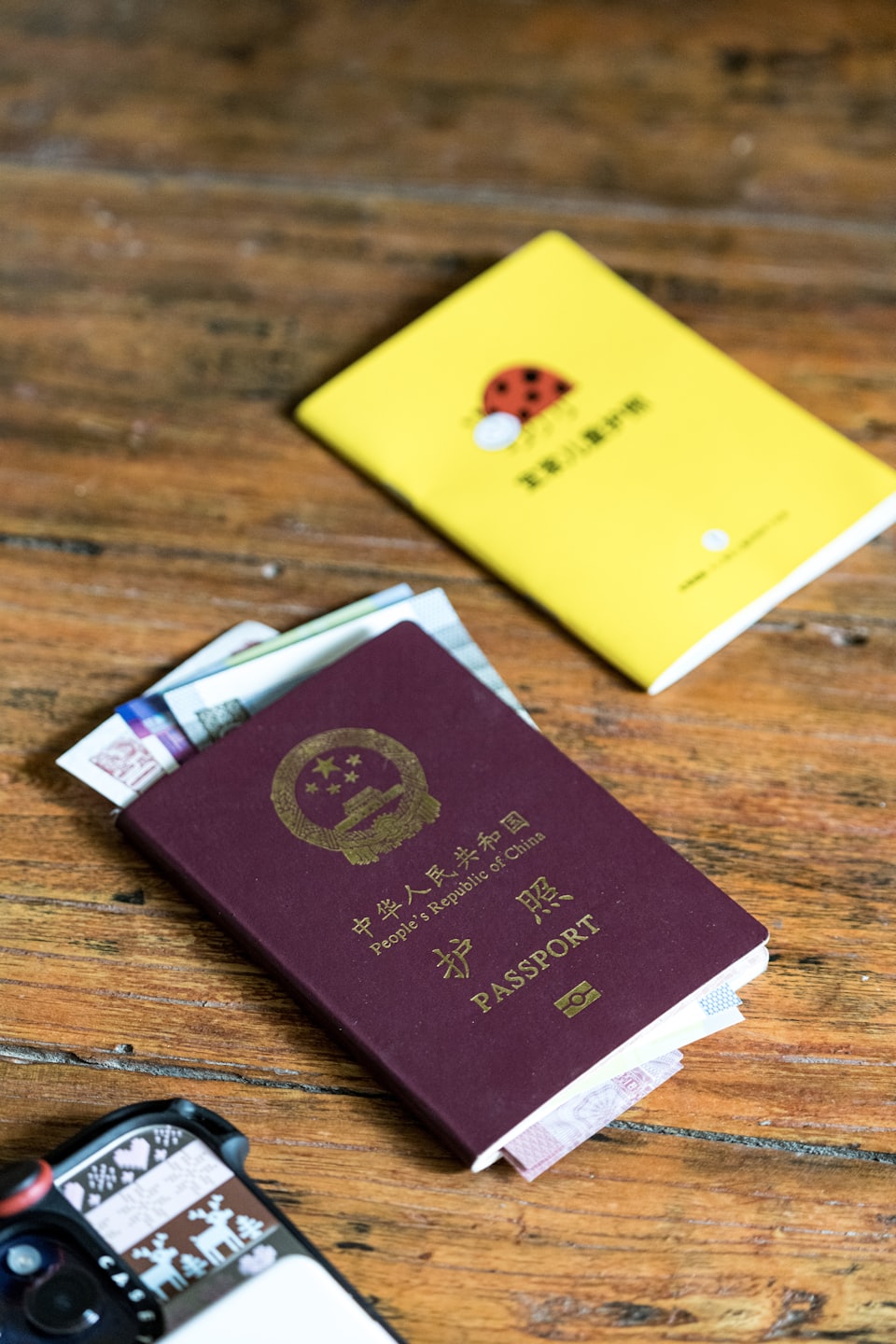
Valid Passport
Must cover the full duration of the employment contract.
Educational Certificates
Basic secondary education is usually sufficient.
Skills Test Certificate
Required for Specified Skilled Worker visa categories.
Japanese Language Test (Basic)
Often required at N4 or industry-specific level.
Medical Fitness Certificate
Confirms ability to work in food handling environments.
Police Clearance Certificate
Proof of clean criminal record.
Employment Offer Letter
Issued by a Japanese employer willing to sponsor the visa.
Eligibility to Apply for Food Processing Jobs Visa Sponsorship in Japan
Not everyone can immediately qualify for food processing jobs in Japan with visa sponsorship. Applicants must meet certain eligibility criteria to ensure compliance with immigration and labor regulations.
-
Age Requirement: Typically 18–40 years old, depending on the employer and visa type.
-
Education: Minimum of secondary school (high school) diploma. Some positions may require vocational or technical certificates.
-
Health Standards: Applicants must pass a medical examination to ensure they are fit for factory work. Chef Jobs in Oslo Norway with Visa Sponsorship
-
Japanese Language Skills: Basic proficiency (often N4 level) is preferred; however, some entry-level roles offer training in Japanese on site.
-
No Criminal Record: Applicants must provide a police clearance certificate.
-
Visa Sponsorship Offer: A confirmed job offer from a Japanese company registered to sponsor foreign workers is mandatory.
Meeting these criteria increases your chances of approval and smooth transition into Japan’s workforce.
Step-by-Step How to Apply
Following a structured approach improves your application success.
-
Identify Eligible Employers – Look for registered companies offering food processing jobs with visa sponsorship.
-
Prepare Required Documents – Gather passport, certificates, medical check, police clearance, and resume.
-
Submit Application – Apply directly through company portals or via official support organizations.
-
Attend Interviews – Some employers conduct remote interviews or in-person assessments.
-
Complete Skills & Language Tests – Pass any required Specified Skilled Worker or Japanese language tests.
-
Receive Job Offer & Sponsorship Letter – Official documents confirming employment and visa support.
-
Apply for Visa at Japanese Embassy/Consulate – Submit all paperwork for approval.
-
Travel & Orientation – Arrive in Japan, attend orientation, and start your employment under visa sponsorship.
Following these steps reduces errors and ensures compliance with Japanese immigration laws.
Tips to Improve Your Chances
-
Learn Basic Japanese: Even N5–N4 level will help you communicate and stand out.
-
Highlight Physical Stamina: Food processing jobs are physically demanding; showcase your readiness.
-
Emphasize Reliability: Employers value punctuality and dedication.
-
Provide Accurate Documents: Avoid inconsistencies in certificates or resumes.
-
Work with Reputable Agencies: Authorized support organizations can guide you through visa applications. Companies Offering Visa Sponsorship Jobs in Switzerland
-
Research Companies: Familiarity with the employer’s products or factory operations demonstrates commitment.
Application Deadlines
Japan’s food processing sector typically has rolling recruitment due to ongoing labor shortages. While formal deadlines are rare, seasonal spikes occur:
-
Spring Recruitment (March–May): For peak production periods.
-
Summer Recruitment (June–August): Targeting mid-year workforce expansion.
-
Autumn Recruitment (September–November): Preparing for year-end demand.
Applying early improves selection chances and provides adequate time for visa processing.
Common Mistakes to Avoid When Applying for Food Processing Jobs Visa Sponsorship Japan
-
Incomplete Documentation: Missing certificates or medical records can delay visa approval.
-
Ignoring Language Preparation: Lack of basic Japanese skills may hinder integration.
-
Misrepresenting Experience: Employers and immigration authorities verify background.
-
Applying to Unregistered Companies: Only registered sponsors can legally process visas.
-
Ignoring Cultural Norms: Punctuality and proper etiquette are critical in Japanese workplaces. Delivery Driver Jobs in Netherlands with Visa Sponsorship
-
Neglecting Health Requirements: Food processing involves physical labor; failing medical tests can result in rejection.
Websites to Find Food Processing Jobs Visa Sponsorship Japan
Official and reliable sources ensure legitimacy:
-
Japan External Trade Organization (JETRO): https://www.jetro.go.jp
-
Hello Work (Public Employment Service): https://www.hellowork.mhlw.go.jp
-
Specified Skilled Worker Job Portal: https://www.ssw.go.jp
-
Company Career Pages: Check major food processing companies like Ajinomoto, Nippon Ham, or Maruha Nichiro.
Always verify that companies are visa-approved sponsors before submitting applications.
FAQs About Food Processing Jobs Visa Sponsorship Japan
Q1: Can I work without knowing Japanese?
A1: Some entry-level jobs allow minimal Japanese, but basic proficiency improves daily work life and career growth.
Q2: How long is the visa valid?
A2: Typically 1–5 years, depending on the visa type, employer, and skill level.
Q3: Can I bring family members?
A3: Certain visa categories allow dependent visas; check eligibility with the employer and immigration office.
Q4: Is overtime paid?
A4: Yes, Japanese labor laws require compensation for overtime, night shifts, and holidays.
Q5: Can I switch employers while on a sponsored visa?
A5: Changing employers requires permission from immigration authorities; following proper procedures is essential.
Conclusion: Building a Career in Food Processing Jobs Japan with Visa Sponsorship
Working in food processing jobs in Japan with visa sponsorship offers stability, international experience, and long-term opportunities for foreign workers. From entry-level packaging roles to supervisory positions, the industry welcomes dedicated individuals ready to learn and contribute.
Beyond financial benefits, these jobs provide a structured work environment, legal protections, and the potential pathway toward permanent residency. While challenges such as cultural adaptation and physical demands exist, preparation, persistence, and leveraging official support can turn these roles into rewarding careers. Construction Jobs in Spain with Visa Sponsorship
For anyone seeking legal employment abroad, skill development, and a chance to experience life in Japan, food processing jobs with visa sponsorship are a compelling and practical choice.


 Admin
Admin